

“Stark, unflinching, intensely personal, and powerfully written. ” – Joan Price, author of Sex After Grief: Navigating Your Sexuality After Losing Your Beloved
Available on:


The highly anticipated sequel to the award-winning memoir, Daring to Date Again (She Writes Press, 2014)
“This book reveals a widow’s gut-wrenching process of scrutiny…This is compelling reading.” – Leslie Hilburn Fabian, Author of My Husband’s a Woman Now: A Shared Journey of Transition and Love
“An important contribution…Thousands of wives and partners will find similarities in Ann’s story including the same unanswered questions.” – Reverend Terry Cummimgs
“I predicted that the pain would persist for a while, but neither of us would feed on it. We would both try to rise above it and get on with our lives, he faster than I.”
“I’d prefer to have a man doll himself up in lingerie every night than come home drunk.”
“I knew about the siren songs, abysses, bewitching spells, and strange monsters out there, but they sank out of sight in the fulfillment of my homecoming.”

DARING TO DATE AGAIN
DARING TO DATE AGAIN (SheWrites Press, 2014) won multiple awards.* It tells the story of what happened when she started to date again at 60. She’s not governed by the rules she knew as a younger woman, but what are the rules? Her adventures take her into strange places and halfway across the world. The world she thought existed was different than what she expected. The audio book is narrated by the author.
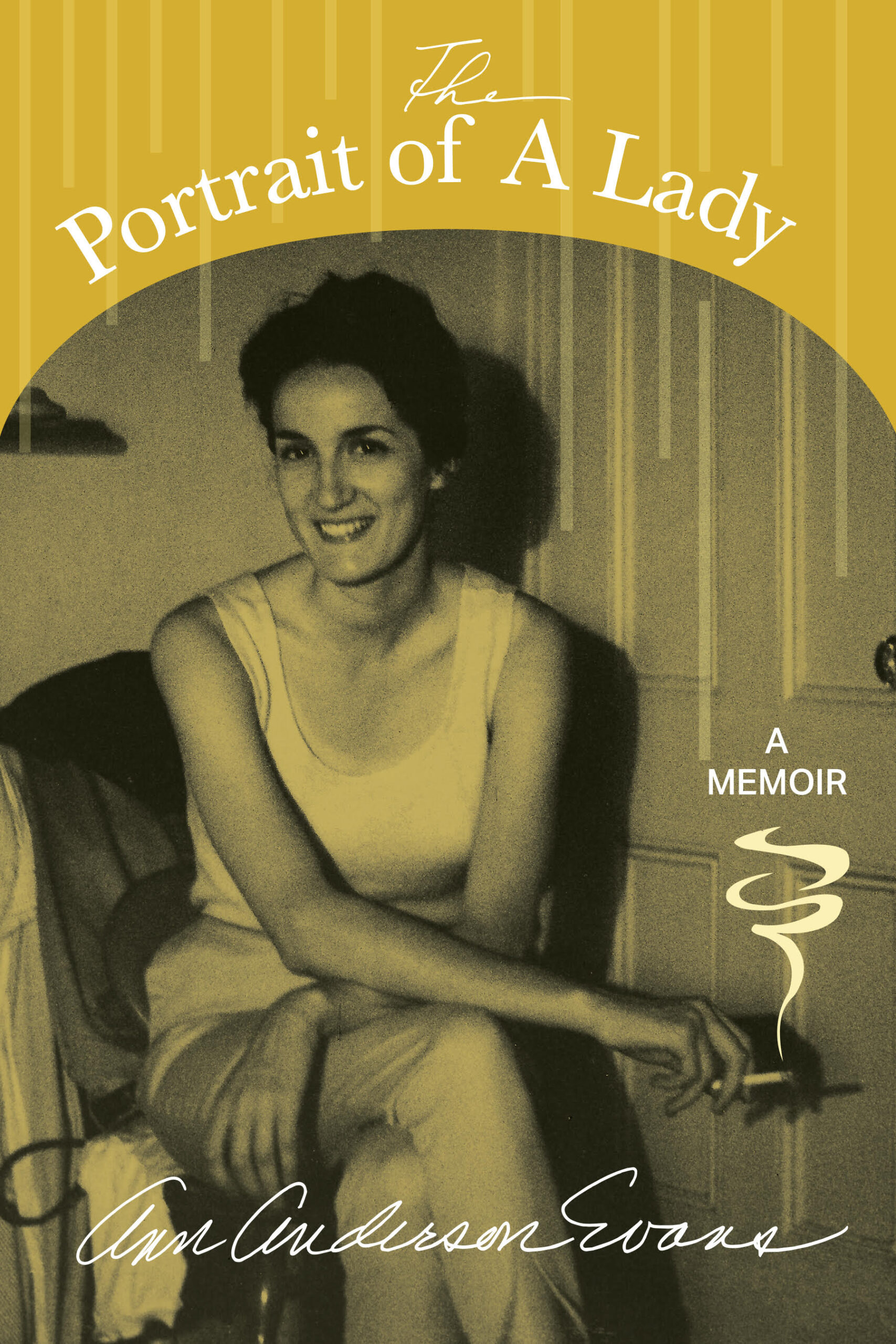
Memoir Trilogy, Book III
THE PORTRAIT OF A LADY, A MEMOIR, Ann leaves New York alone in 1964 with $400 and a one-way ticket to Lisbon. She will not return for ten years, during which she lives deeply in Spain, Italy, Israel, and Greece. Like Isabel Archer, the protagonist of Henry James’s eponymous novel, she is dissatisfied with her options in America and willing to take the risk of living where she is a stranger in order to create a more satisfying life. She is fascinated by the countries she visits but brings with her a trusting American innocence that is easily taken advantage of. The new self that Ann crafts is not what she had thought she’d been seeking, but that is the point. The fictitious Isabel lived in the late 1800s; the real Ann lives among us today, but how much has really changed?